Blastomycosis in Dogs in Pennsylvania:
- In Memory of Our Beans -
whose life meant the world to us
and whose loss changed ours forever.
His Name Was
Beansie ♡
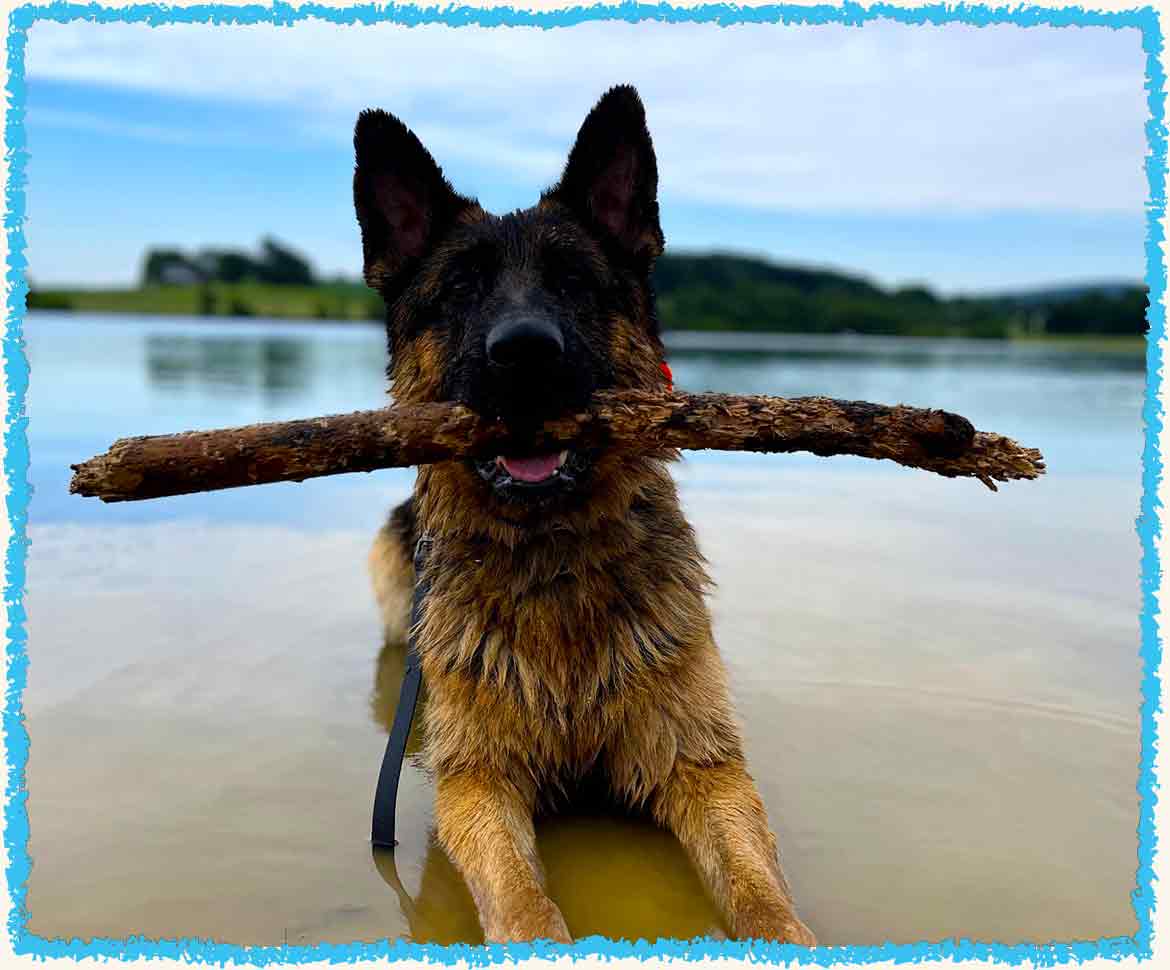
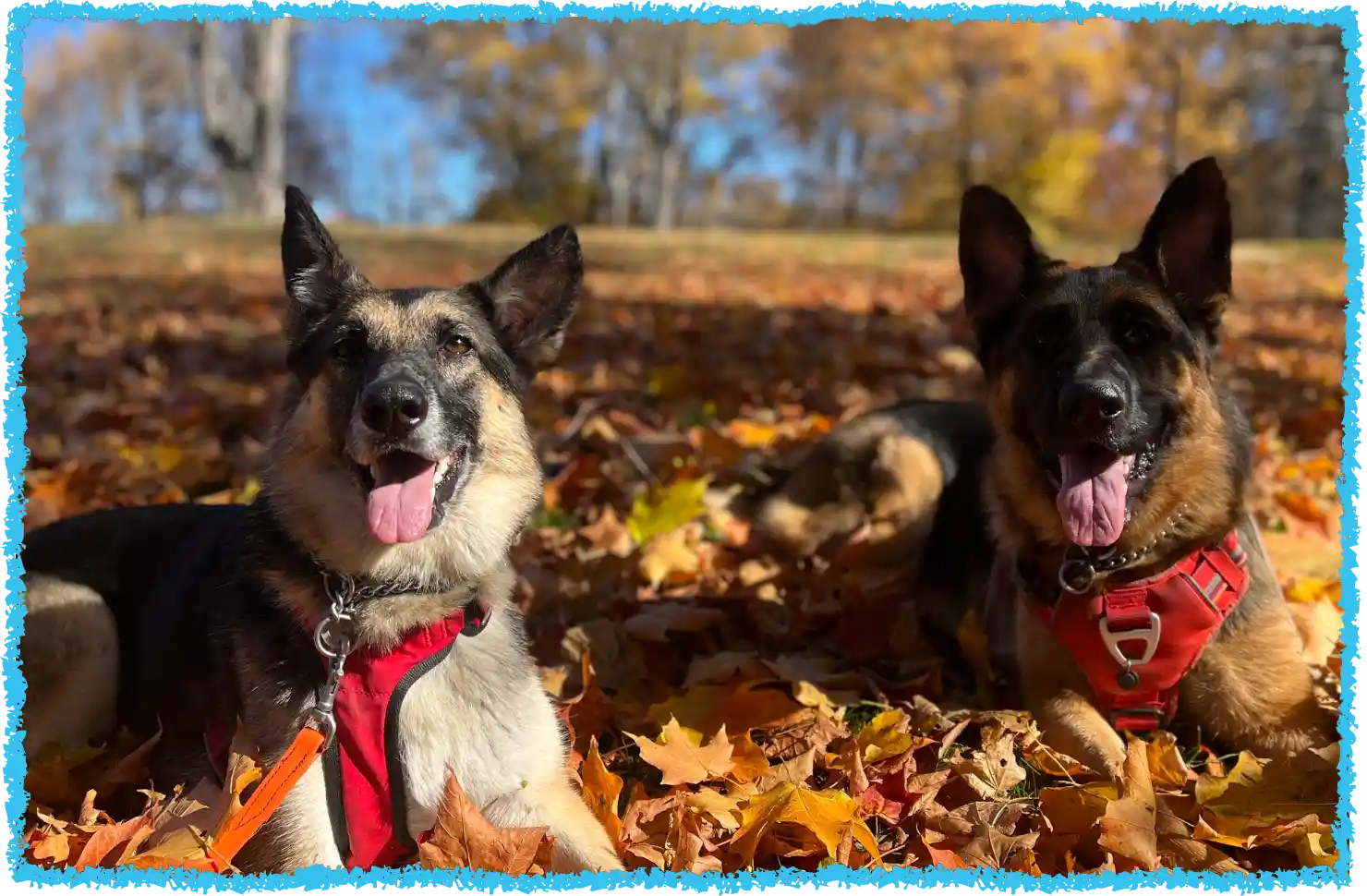
There are dogs who come into your life and leave their paw prints all over it. Beansie was one of those dogs for us. He was a beautiful five-year-old German Shepherd, a founding member of our Petite Feet family in so many ways, and a dog who had become an enormous part of Mylyssa's life. We had the privilege of loving him, caring for him, and sharing countless adventures with him.
On July 19, 2026, we lost Beansie to a fungal infection called blastomycosis. Even now, it's difficult to understand how something we'd barely heard of could take away a dog who had been so full of life just weeks earlier.
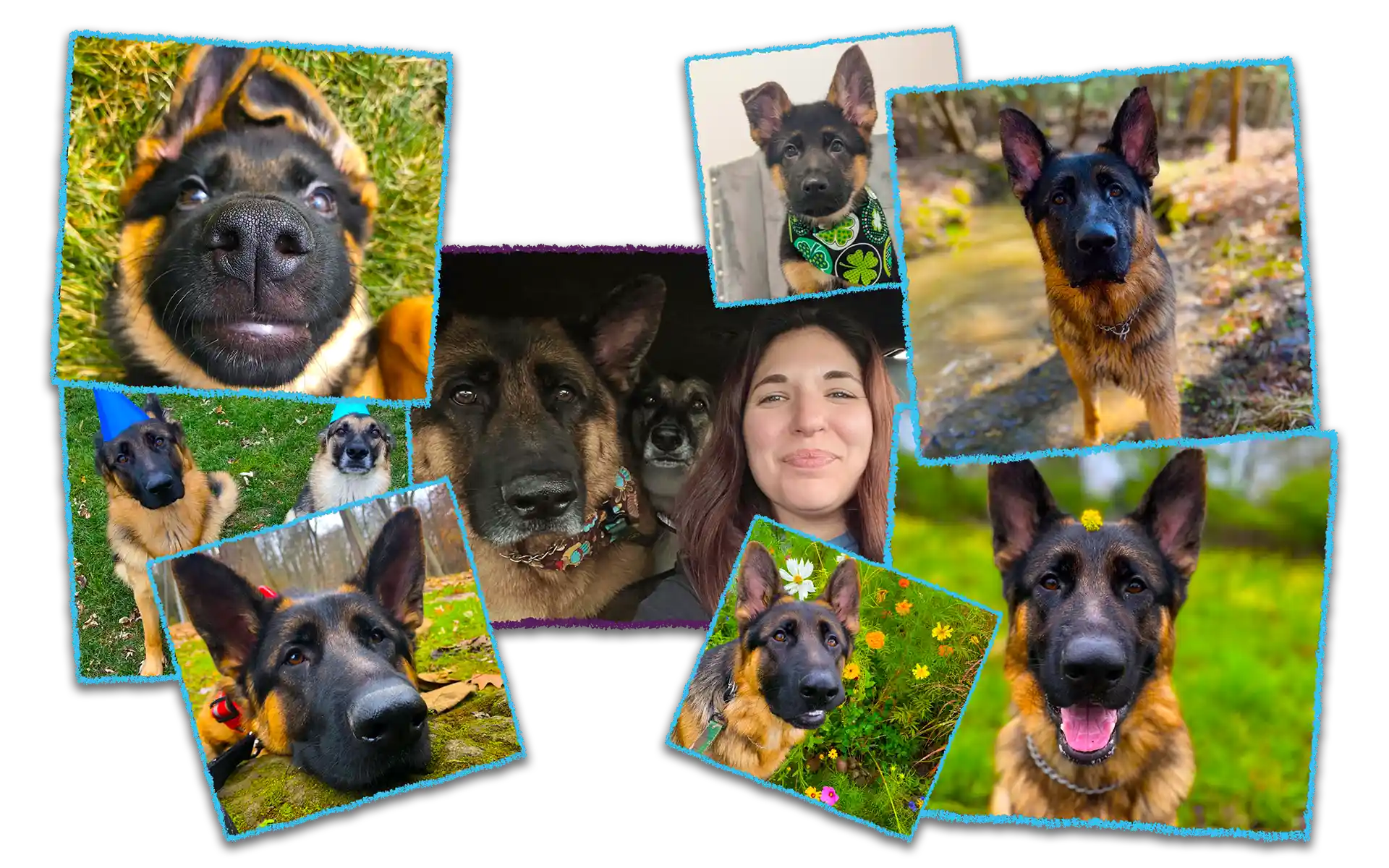
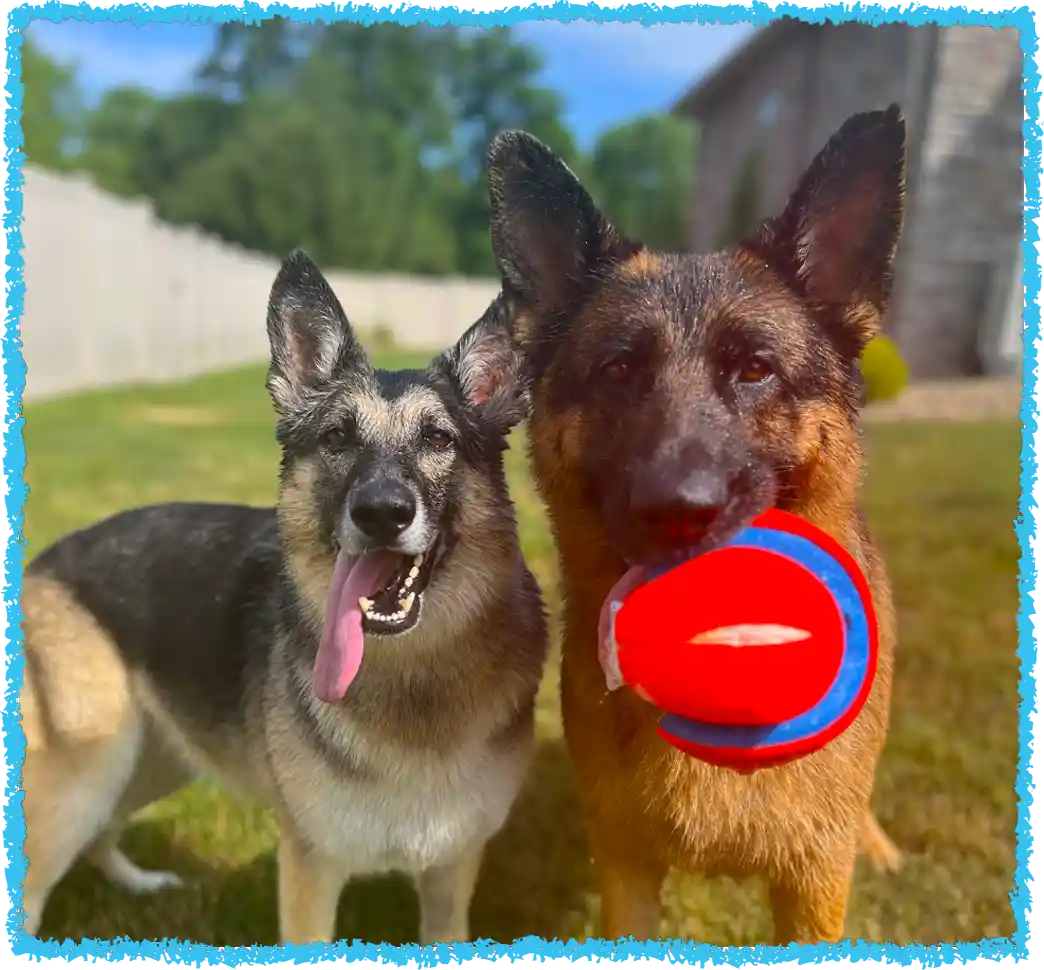
Beansie and his sister Vala were our adventure buddies.
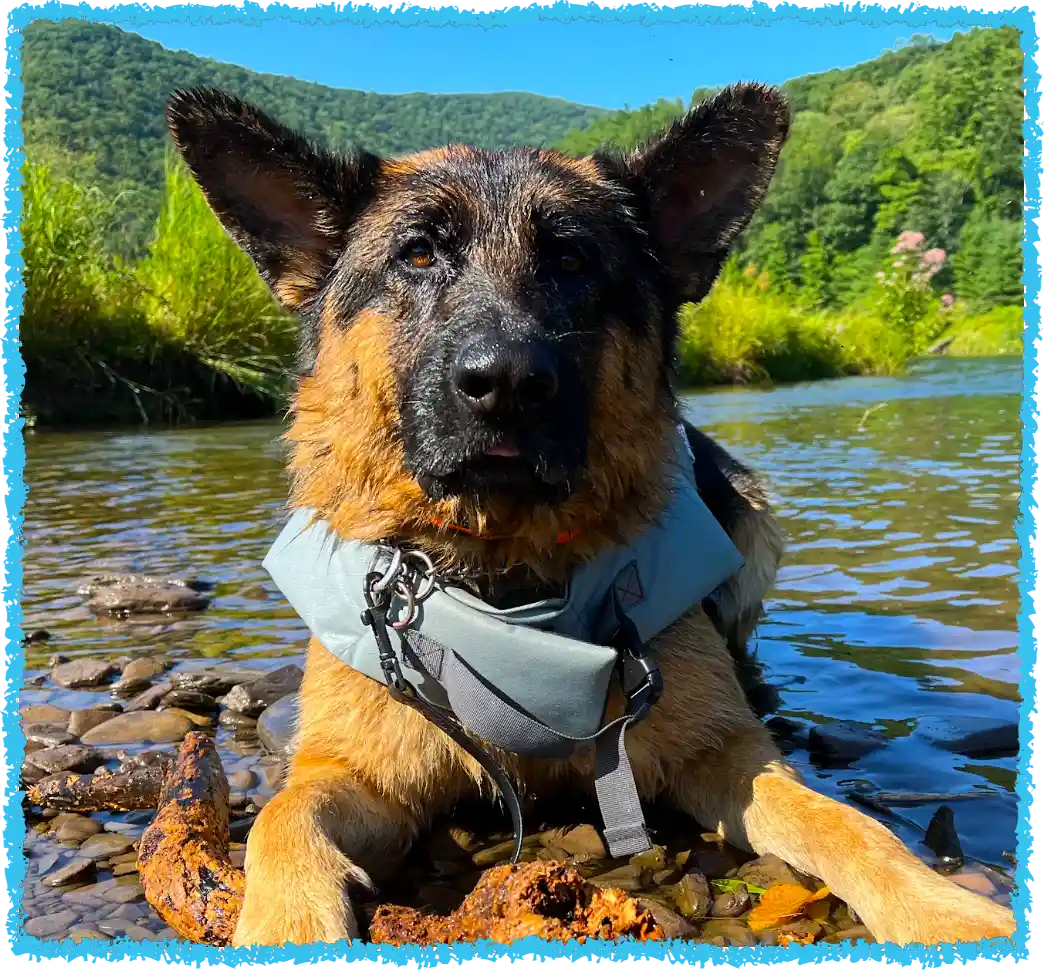
Four days a week, they accompanied us on hikes through the woods, along local trails, and to the creeks and swimming spots they loved. They spent their days doing exactly what dogs should get to do: exploring, sniffing, running, swimming, getting dirty, and thoroughly enjoying themselves. We have hundreds of photographs from those adventures, and we're so thankful for every one of them.
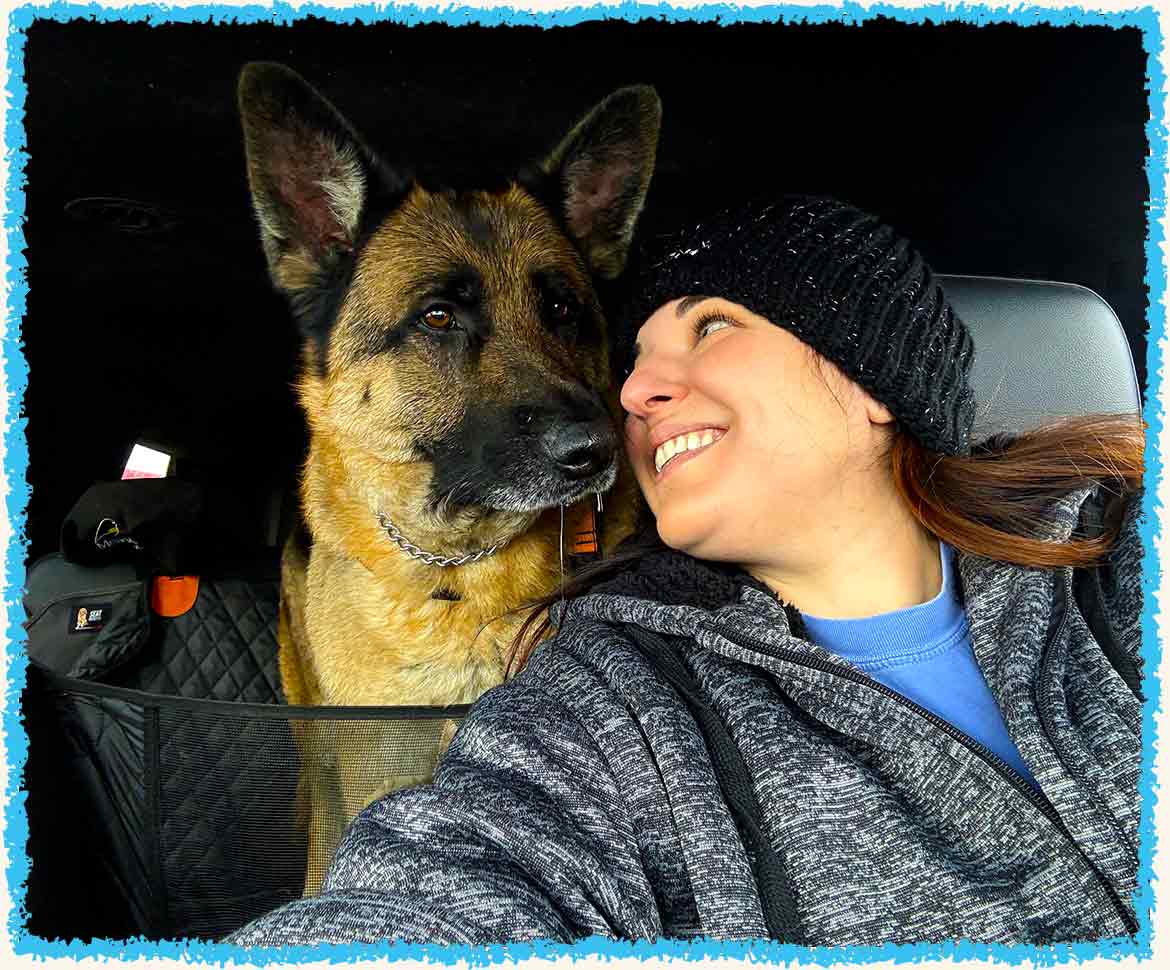
But what made Beansie special to us wasn't just how much time we spent together. When you care for a dog year after year, you're there for so much of their life. You get to know their personality, their routines, their habits, their preferences, and all the little things that make them who they are. You develop a relationship that can't really be explained by saying you're their Pet Nanny. That was especially true for Mylyssa and Beansie. He wasn't just a client she cared for. He was someone she loved very deeply.
Beansie was also part of what shaped Petite Feet into the business it is today. The years of adventures, the trust his family placed in us, and the relationship we built with him represent everything we've always believed professional pet care should be. We've said for years that the pets we care for become part of our family. Beansie was living proof of that.
The Wound That Changed Everything
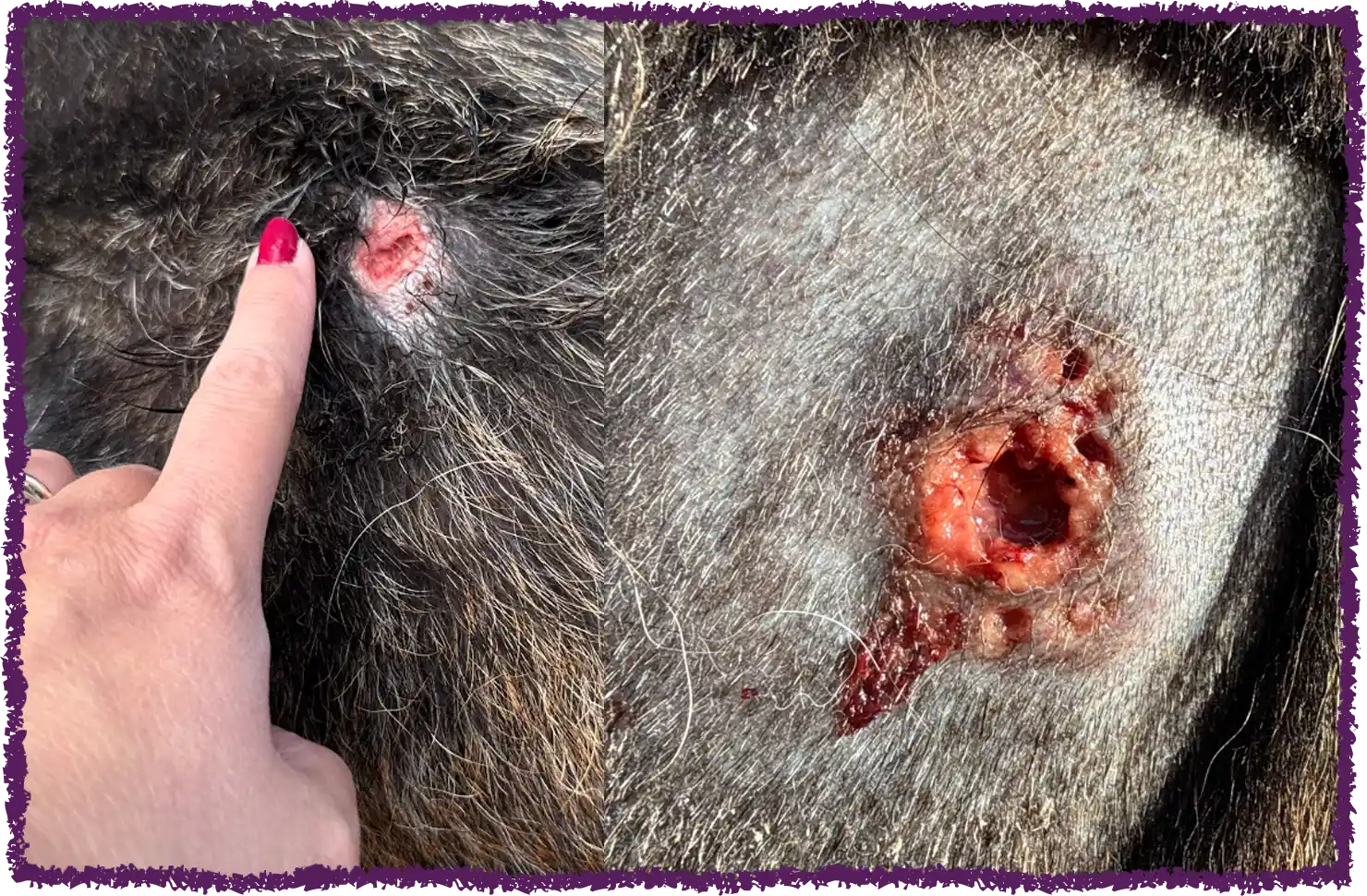
On June 25, 2026, Beansie developed an open wound on his back near his hip. He was a healthy, active five-year-old dog who spent much of his time outdoors, so an unexpected skin problem wasn't something that immediately made us fear for his life. But this wound was different. It appeared without an obvious explanation, it wouldn't heal, and over the following weeks it continued to get worse.
We worked with his veterinarian trying to determine what was causing it. There were examinations, questions, and tests, but no clear answer. We knew something wasn't right, yet we had no reason to suspect that the real problem could be growing inside his lungs. Beansie hadn't been coughing or showing the obvious signs of a serious respiratory illness. For most of those weeks, we were focused on the wound we could see.
 Sensitive Medical Image
Click to reveal photograph
Sensitive Medical Image
Click to reveal photograph
Graphic Warning - Deep Skin Wound
Then, on Monday, July 13, we noticed subtle changes in his breathing. Chest X-rays revealed extensive abnormalities in his lungs, but we still didn't know what was causing them. Further testing was underway, including biopsies and cultures, and we were waiting for answers that could take weeks. Meanwhile, Beansie's condition was deteriorating by the day.
By Saturday, July 18, he was struggling so badly that he was admitted to an emergency veterinary hospital and placed on oxygen. There was nothing that could be done to reverse the damage that had already occurred. The next day, Beansie's parents and Mylyssa had to make the heartbreaking decision to say goodbye.
On Sunday, July 19, we lost our boy 💔
We went from trying to understand a stubborn skin wound to watching a dog we loved fight for every breath. There was barely enough time to process what was happening, let alone prepare ourselves for losing him. His family lost a beloved member of their household, Mylyssa lost a dog she loved dearly, and our entire Petite Feet family lost someone who had been part of our everyday lives for years.
The following week, the results finally came back positive for blastomycosis.
It was a name we'd heard very little about before then, and one we'd never expected to become so familiar with. We learned that the fungus could cause serious lung disease, spread to other organs, and produce exactly the kind of wound Beansie had developed. We also learned that it was commonly associated with environmental conditions found in the very places where he loved spending his time.
The hardest part wasn't learning what had killed Beansie. It was knowing that we'd spent weeks trying to save him without understanding what we were fighting.
We Weren't Going to Stay Quiet About It
When we started talking about blastomycosis, we discovered that the disease wasn't widely recognized as a concern in our area.
Several veterinary professionals we spoke with described it as "extremely uncommon" in southwestern Pennsylvania, even though Beansie had spent his life here.
Mylyssa couldn't stop thinking about all the dogs out there doing exactly what Beansie had done. Hiking the same trails, swimming the same creeks, exploring wooded areas, and coming home tired and happy. What if another dog developed an unexplained wound or started breathing a little differently? Would anyone think to investigate a fungal infection? Would they have time to find out what was wrong?
She wrote about Beansie on Petite Feet Pet Care's Facebook page, sharing the timeline of his illness, photographs of his wound and lungs, and the places he and Vala had frequented. The post was emotional, detailed, and urgent because that's exactly how we felt. We wanted people to know what had happened, especially those who had dogs spending time outdoors in western Pennsylvania.
The response was overwhelming. People shared Beansie's story, offered condolences, asked questions, and told us about their own experiences. We heard from people who had never heard the word blastomycosis, and others who knew firsthand how devastating a fungal infection could be.
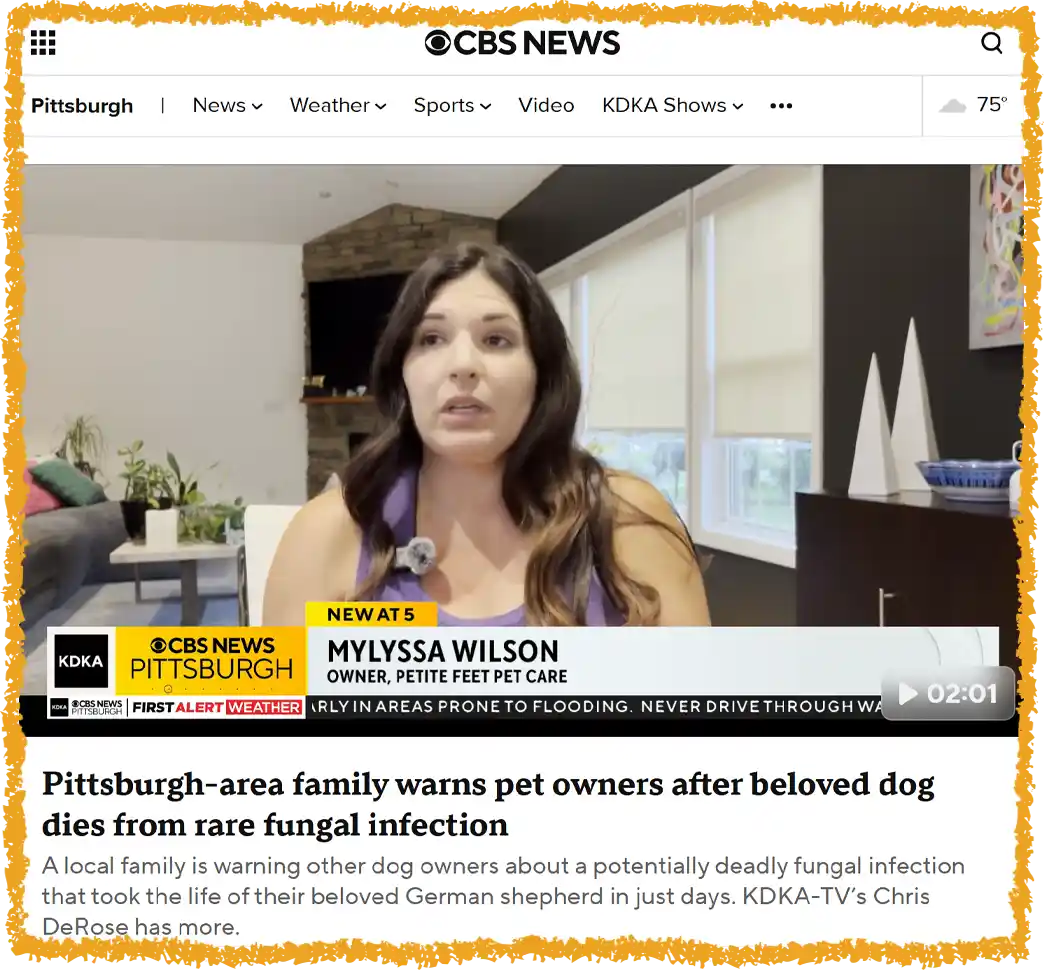
Then CBS News Pittsburgh contacted us.
Beansie's Story Reached Beyond Our Community
 (opens in a new tab)
On August 10, 2026, reporter Christopher DeRose shared Beansie's story on KDKA-TV. Mylyssa spoke about his illness, the speed of his decline, and the importance of making people aware of a disease that might otherwise be overlooked. It wasn't easy talking publicly about losing him, but if it helped even one family recognize a problem sooner, we felt it was worth doing.
What We Learned About Blastomycosis
Blastomycosis is a fungal infection caused by organisms belonging to the Blastomyces group. The fungus lives in certain environmental conditions, particularly moist soil containing decomposing organic material such as fallen leaves and rotting wood. It can release microscopic spores into the air, where they may be inhaled by a passing animal or person. Those spores are far too small to see, and there doesn't have to be anything unusual about the ground or surrounding vegetation to indicate that the fungus is present.
Dogs are particularly susceptible to blastomycosis compared with many other domestic animals. Young and middle-aged large-breed dogs with substantial outdoor exposure are among those more frequently diagnosed. That doesn't mean small dogs or less active dogs are immune, or that every dog exposed to spores becomes sick. It means that certain lifestyles and activities can increase opportunities for exposure.
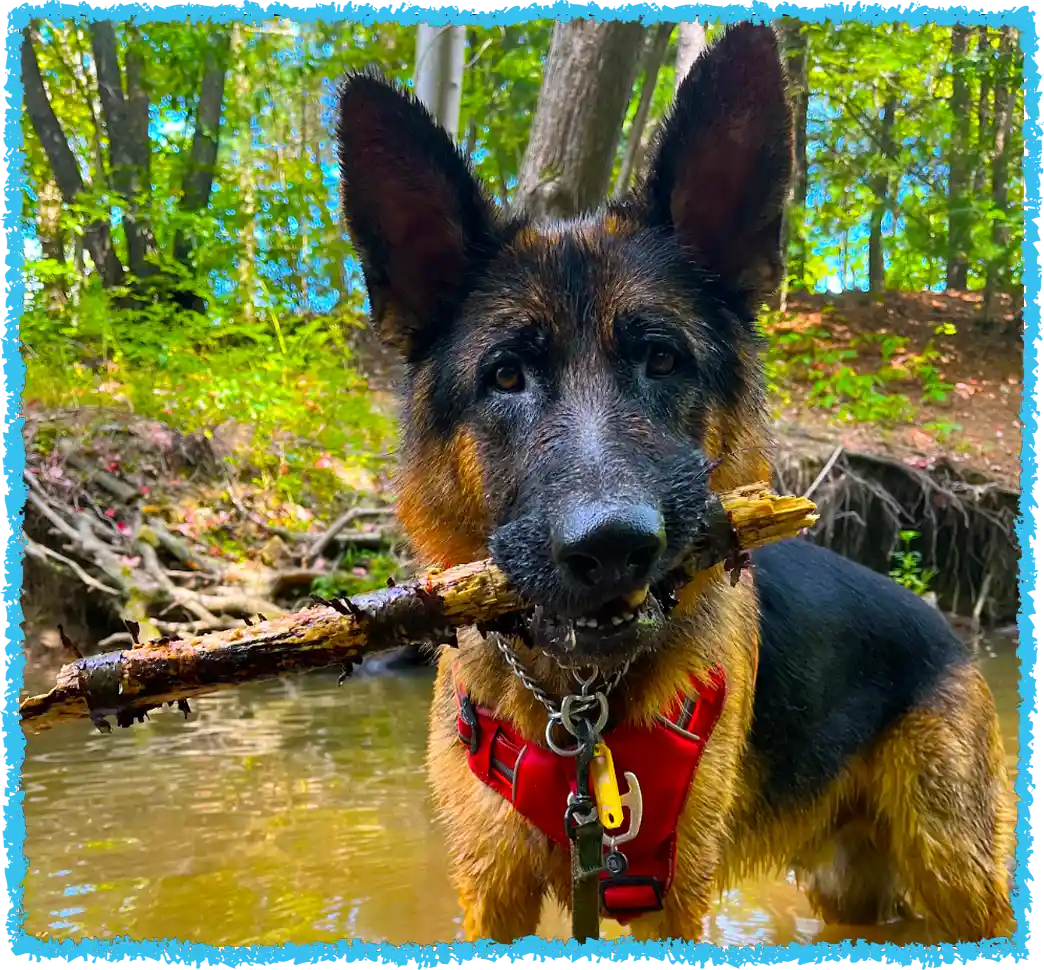
Beansie's life involved plenty of those activities. We spent hours in the woods, alongside streams and lakes, walking wooded trails and exploring places with fallen leaves, logs, and damp soil. We still have no way of knowing where he encountered the fungus, or even exactly when it happened. That uncertainty has been one of the most frustrating things to accept.
Why the Outdoors Can Present a Risk
Blastomyces has historically been associated with areas near the Ohio and Mississippi River valleys, the Great Lakes, and other regions where soil moisture, vegetation, and environmental conditions may support its growth. The fungus isn't distributed evenly throughout those areas. One location may support it while another seemingly similar location nearby may not.
Spore exposure is associated with inhalation, particularly when contaminated soil or decomposing material is disturbed. Digging, excavation, forestry work, and some outdoor activities can create opportunities for spores to become airborne. Streams, lakes, and riverbanks are frequently discussed because nearby moist soil and decomposing vegetation may provide favorable conditions, not because all freshwater contains the fungus or because taking a swim automatically causes infection.
There is currently no dependable way for the public to test a trail, a backyard, or a particular swimming spot and determine whether Blastomyces is present. Even scientists can have difficulty recovering the organism from suspected environmental locations.
That's why we can't tell you where Beansie contracted it. We can tell you where he spent his time, but naming those places isn't the same as identifying the source of his infection.
The Places We Explored Together
When Beansie became ill, blastomycosis wasn't something the veterinarians we spoke with expected to encounter in southwestern Pennsylvania. But geographic expectations aren't proof that a fungus cannot exist here.
The CDC acknowledges that the precise geographic range of Blastomyces is not fully known. Disease reporting also varies by state, and veterinary cases aren't consistently collected in one publicly accessible system. That makes it difficult to understand how often blastomycosis is diagnosed in particular communities or whether geographic patterns are changing.
We cannot conclude that blastomycosis is spreading across southwestern Pennsylvania based on Beansie's case. What we can say is that a dog who lived and regularly explored here died from a confirmed infection, and that experience convinced us that greater awareness and better information are needed.
BLASTOMYCOSIS IN PENNSYLVANIA
Uncommon doesn't mean impossible.
For the six months before he became ill, some of our regular adventures included Mammoth Park, Twin Lakes Park, the Five Star Trail around Greensburg and Youngwood, Greenlick/Jacob's Creek Dam near Mount Pleasant, and Keystone State Park.
We also spent time farther north at George B. Stevenson Reservoir, Sinnemahoning Creek around Emporium and Benezette, and in Elk State Forest.
None of these locations have been confirmed as the source of Beansie's infection. We're sharing them because they were part of his life and because understanding environmental exposure is complicated. We don't want families to avoid these parks out of fear or assume that somewhere not on this list is necessarily safe.
KNOW THE SIGNS
The Symptoms We Wish We'd Known to Recognize
One of the most troubling things about blastomycosis is how easily its early symptoms can be mistaken for something else. A dog may be tired, eat less, lose weight, develop a cough, or seem less interested in exercise. Those signs are common to many illnesses, which is why blastomycosis can be difficult to recognize without specific testing.
Breathing & Respiratory
- Persistent coughing
- Increased breathing rate at rest
- Labored or difficult breathing
- Unusual tiredness during exercise
General Changes
- Fever
- Lethargy or unusual fatigue
- Loss of appetite
- Unexplained weight loss
Physical Signs
- Skin lesions or draining wounds
- Eye inflammation or vision changes
- Limping or unexplained pain
- Swollen lymph nodes
Breathing Difficulties Are an Emergency
If your dog is struggling to breathe, breathing with obvious effort, collapsing, or showing signs of inadequate oxygen, seek emergency veterinary care immediately.
Learn More About Blastomycosis
Here's What We've Discovered About Blasto
Disclaimer: We are not medical professionals and are not offering diagnostic or treatment advice. Contact your Veterinarian with questions or concerns, or browse MiraVista Veterinary Diagnostics, Merck Veterinary Manual and the Center for Disease Control, for further information.
To Beans
♡ With All Our Love ♡
Writing about Beansie's illness is difficult because it asks us to return to the worst weeks of his life. But when we look through his photographs, that's not what we want to remember. We want to remember the dog who spent his days exploring the woods with his sister, playing in the water, and making ordinary days at work something we looked forward to.
We want to remember the years we had with him, not just the weeks we spent trying to save him.
His family trusted us with someone incredibly precious, and we were lucky enough to become part of his world. Beansie gave Mylyssa a friendship that meant far more to her than any job ever could. He helped shape the way we care for animals and reminded us why those relationships are worth investing our hearts in, even knowing how much it can hurt when we have to say goodbye.
We'd give anything for another hike. Another photograph. Another muddy afternoon with Beansie and Vala. Another completely ordinary day when we didn't know how much we'd miss it.
We know that sharing this page won't bring him back, and we don't believe that losing him needed to happen for some greater purpose. We would choose to have Beansie here with us over every article, interview, or research project his story has inspired.
But we can't make that choice. All we can do now is remember him, love him, and share what we've learned in the hope that another family might be spared some of what his family endured.
Thank you for reading about our boy. Thank you to everyone who shared his story, reached out to his family, offered kindness, or helped us ask better questions. It has meant more than we can adequately express.
And tonight, if your dog is beside you, give them an extra hug for us. Take the photograph, even if you already have a hundred like it. Enjoy the walk, even if it's the same one you've taken a thousand times. Those ordinary moments have a way of becoming the ones you'd do anything to experience again.
We miss you terribly, Beans. We always will.
“If love could have saved you, you would have lived forever.”